





Introduction to AI Sex and Its Cultural Impact
The advent of artificial intelligence (AI) has permeated various facets of our lives, and its influence on human intimacy and relationships is particularly profound. In the realm of AI sex, technological advancements have initiated discussions regarding the nature of intimacy, connection, and the definition of relationships in an increasingly digital world. As society grapples with the implications of AI-driven sexual experiences, critical questions arise about the ethical, emotional, and psychological dimensions of these interactions. When exploring options, ai sex offers comprehensive insights into this emerging field and its cultural ramifications.
What is AI Sex?
AI sex broadly refers to the use of artificial intelligence to enhance, simulate, or replace human sexual interactions. This can encompass a variety of technologies, including virtual reality (VR) environments, AI-generated erotic content, and even robotic companions designed to fulfill intimate desires. Rather than merely being a technological curiosity, AI sex has evolved into a legitimate sector influenced by societal norms, personal preferences, and ethical considerations.
Historical Context and Evolution of AI in Intimate Interactions
The incorporation of technology into intimate relationships is not new. From the use of sex dolls in ancient civilizations to the development of online dating platforms in the 1990s, the quest for connection has always been interwoven with technological advances. However, the introduction of AI signals a pivotal shift. In the early 2000s, the emergence of rudimentary chatbots started to lay the groundwork for digital intimacy. Fast forward to today, AI sex encompasses sophisticated algorithms capable of learning user preferences, thus creating highly personalized experiences.
Changing Perceptions of Digital Relationships
As AI sex becomes more mainstream, societal perceptions are shifting. Many individuals now view virtual relationships as extensions of their social lives, particularly during times of physical isolation or in contexts where traditional dating is difficult. This evolving narrative raises questions about emotional fulfillment, the nature of companionship, and what it means to engage in intimate relationships in a digital age.
The Technology Behind AI Sex
How AI Algorithms Influence Virtual Intimacy
At the core of AI sex technologies are sophisticated algorithms designed to analyze user behavior and preferences. These AI systems can adapt to user inputs, providing increasingly tailored experiences that mimic human interactions. For example, machine learning models can generate personalized erotic content or adjust the behavior of virtual companions based on user feedback, creating a dynamic environment that responds to individual desires.
Essential Tools for Creating AI-Based Intimate Experiences
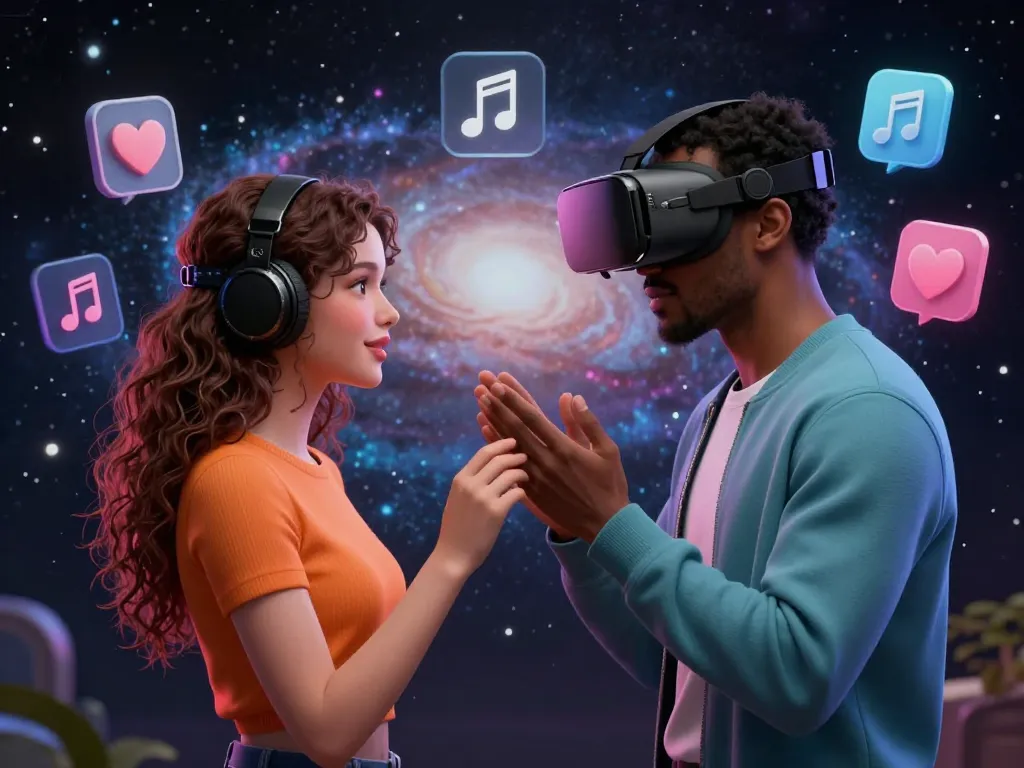
The tools available for crafting AI sex experiences are as varied as the preferences of users. Virtual reality headsets allow for immersive experiences, while sex robots incorporate advanced AI to provide physical interaction. Additionally, platforms using natural language processing can simulate conversations that make users feel more connected. Together, these tools create a multi-faceted approach to intimacy that can cater to diverse needs.
Privacy and Ethical Considerations in AI Sex Technologies
With the rise of AI sex comes a heightened awareness of privacy and ethical implications. Data security is a primary concern, as user interactions are often recorded and analyzed to enhance experiences. Furthermore, ethical debates arise regarding consent, particularly in the creation of AI-generated content. As the landscape of AI sex evolves, so too must the frameworks that govern these technologies to protect users and ensure responsible usage.
User Experiences and Psychological Perspectives
Emotional Benefits of AI-Enhanced Intimacy
Engagement with AI sex can provide various emotional benefits. For some, these technologies serve as a means of exploring fantasies in a safe environment, devoid of judgment. Others find solace in the companionship offered by AI companions, particularly those who may struggle with real-life relationships due to anxiety or social barriers. These emotional connections, albeit artificial, can enhance well-being and provide comfort.
Challenges of Virtual vs. Real-Life Relationships
Despite the benefits, challenges arise when navigating between virtual and real-life relationships. Users may develop attachments to AI companions, which can complicate their perceptions of human relationships. Additionally, the reliance on AI for intimacy could impact social skills and emotional intelligence. Thus, understanding the dynamics between virtual and real connections is crucial for users.
Case Studies: Individual Experiences with AI Sex
Several individuals have shared their experiences with AI sex technologies, illustrating a spectrum of reactions. One user described how an AI companion alleviated feelings of loneliness, while another expressed concern over developing emotional dependency. These case studies highlight the nuanced landscape of AI intimacy, emphasizing that while benefits exist, potential drawbacks must be acknowledged and managed.
Future Trends of AI and Intimacy Beyond 2026
Emerging Technologies in AI Sex
The future of AI sex is poised for significant evolution, with innovations on the horizon. Advances in sensory technology are likely to enhance physical experiences, while improvements in AI decision-making capabilities can lead to more human-like interactions. As these technologies progress, we can anticipate a more immersive and personalized approach to intimacy that blurs the lines between virtual and physical experiences.
Predictions for Digital Relationship Dynamics
Experts predict that as AI sex technologies become more integrated into daily life, the dynamics of relationships will shift. Traditional forms of intimacy may coexist with virtual experiences, leading to hybrid models of connection. This shift will prompt society to reevaluate what constitutes a meaningful relationship, potentially expanding the definition to include AI interactions.
Potential Sociocultural Shifts Due to AI Intimacy
As AI sex continues to permeate social norms, broader sociocultural shifts may occur. This could lead to increased acceptance of non-traditional relationships and a reconceptualization of commitment and fidelity. Additionally, discussions around sexuality and consent could evolve, prompting new frameworks for understanding and engaging in intimate relationships in an AI-driven world.
Conclusion and Practical Insights
Best Practices for Engaging with AI Sex Technologies
For those exploring AI sex, establishing boundaries and maintaining a critical perspective is important. Users should prioritize their emotional health by engaging with AI technologies mindfully, ensuring that they complement rather than replace real-life connections. Setting realistic expectations is key to fostering a healthy relationship with AI-driven intimacy.
How to Navigate Personal Boundaries in Virtual Intimacy
Creating personal boundaries in virtual intimacy requires introspection and honesty. Users should gauge their emotional responses to AI interactions and remain aware of how these experiences impact their real-life relationships. Open communication about feelings tied to AI sex can foster healthy dynamics both online and offline.
Frequently Asked Questions about AI Sex
As interest in AI sex rises, so too do inquiries about its implications. Common questions include the emotional validity of relationships with AI, concerns regarding privacy, and the potential for addiction to virtual interactions. Addressing these concerns through informed discussions and resources can better equip users to navigate the evolving landscape of intimate relationships enhanced by technology.




More Stories